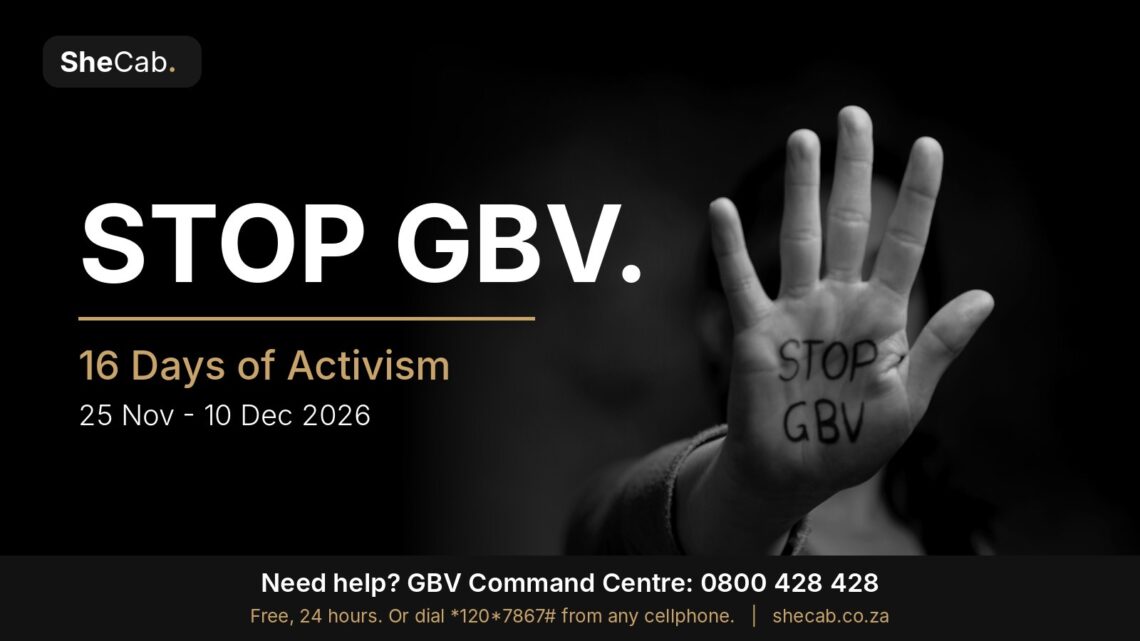
The 16 Days of Activism for No Violence against Women and Children runs from 25 November to 10 December 2026. It is an annual campaign to raise awareness of gender-based violence and femicide (GBVF), challenge the causes behind it, and mobilise people to act. Here is what you need to know.
What is the 16 Days campaign?
The 16 Days of Activism is an international campaign that runs every year from 25 November, the International Day for the Elimination of Violence against Women, to 10 December, International Human Rights Day. Linking the two dates is deliberate: violence against women is a human rights violation.
The campaign began in 1991, when activists at the first Women’s Global Leadership Institute, convened by the Center for Women’s Global Leadership, called for a global campaign against gender violence. In South Africa, the 16 Days campaign is the centrepiece of government’s wider 365 Days of Activism for No Violence against Women and Children.
The 2026 theme: Letsema
This year’s theme is “Letsema”: men, women, boys and girls working together to end gender-based violence and femicide. It is linked to a Positive Masculinity Dialogue held alongside a G20 ministerial meeting, which will carry forward G20 outcomes relevant to ending GBVF.
Why it matters
The campaign aims to:
- raise awareness of the harm GBVF does to women, children and society;
- highlight the social and systemic causes of GBVF;
- mobilise action locally, nationally and internationally to end all forms of gendered violence.
The need is real. Between 1 and 16 September 2026, the national Gender-Based Violence Command Centre received 6,782 calls, an average of 424 calls a day, according to the Department of Social Development.
Key dates
- 25 November: International Day for the Elimination of Violence against Women
- 1 December: World AIDS Day
- 3 December: International Day of Persons with Disabilities
- 10 December: International Human Rights Day
What you can do
- Challenge attitudes and practices that drive gender inequality and abuse.
- Reject and report abusers. Do not protect them.
- Support survivors and share information about where to get help.
- Sign the national Pledge Against Gender-Based Violence.
- Teach children about gender equality and respect.
- Protect children from violent and harmful content online.
- Seek help for harmful behaviour, such as alcohol or substance abuse.
- Encourage your workplace and community to adopt policies against GBV, and take part in local dialogues.
Where to get help
If you or someone you know needs help, these services are available:
- GBV Command Centre (24 hours): 0800 428 428, or dial *120*7867# from any cellphone for a social worker to call you back, or SMS “HELP” to 31531
- South African Police Service: 10111
- Stop Gender Violence Helpline: 0800 150 150
- National Shelter Movement of South Africa: 0800 001 005
- Childline South Africa: 0800 055 555
- Rape Crisis (Cape Town): 021 447 9762
Save these numbers and share them with family, friends and colleagues. You may never need them, but someone you know might.